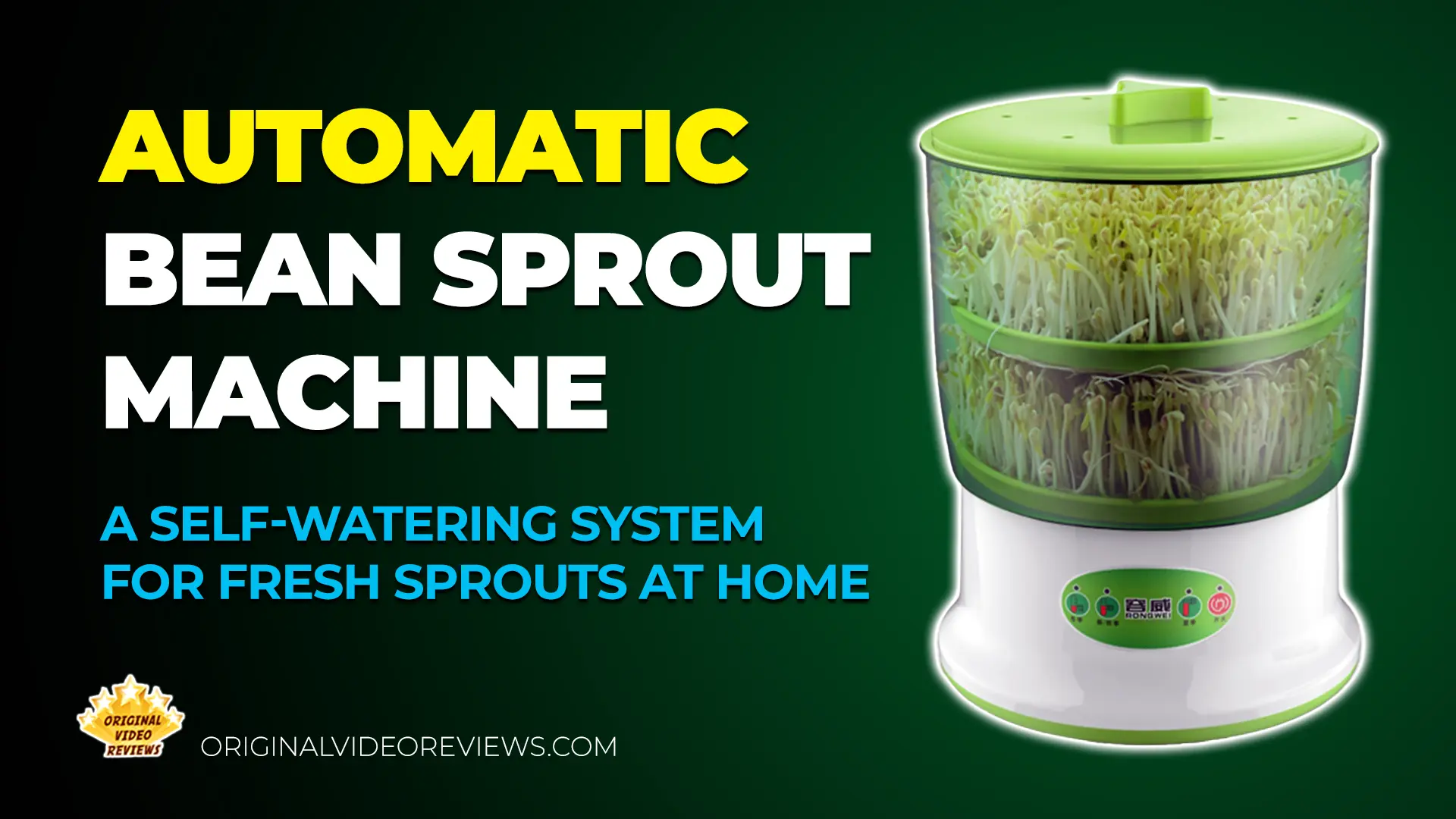
Automatic Bean Sprout Machine A Self-Watering System for Fresh Sprouts at Home
Overview
This automatic bean sprout machine is, without a doubt, the coolest item I've ever ordered online. It caught my eye almost by accident, and I couldn't resist finding out whether a small electric box could actually turn a handful of seeds into fresh, edible sprouts in just a few days.
The unit arrived with instructions written entirely in Chinese, which left me figuring out the setup and the different modes mostly through trial and error. Once I worked it out, I decided to put together this review to walk through exactly how it works, both for anyone considering buying one, and for anyone who's just curious about the sprouting process itself.
Product Description
- Brand
- N/A
- Model
- N/A
- Type
- 2-Tray Sprouting Kit
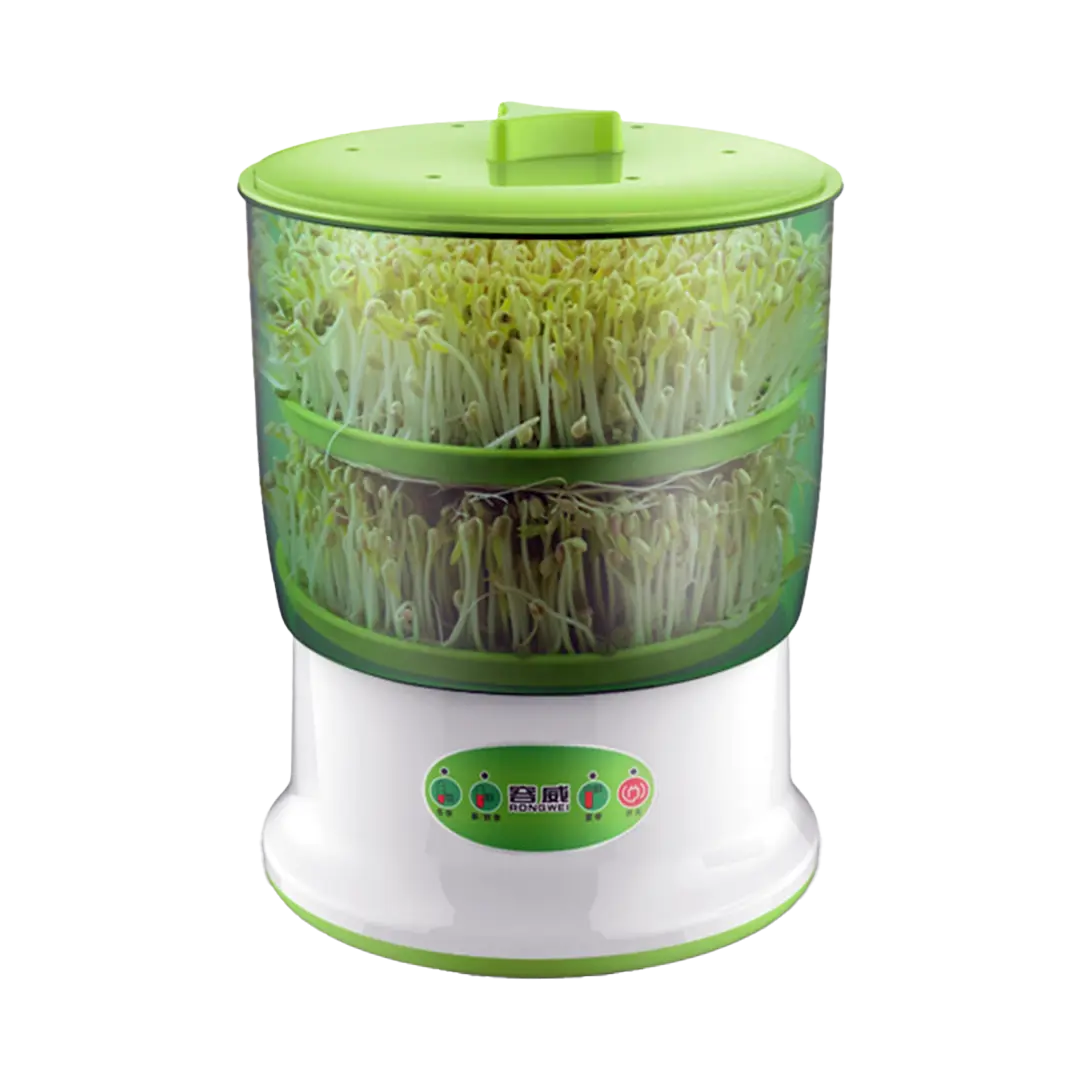
This automatic bean sprout maker grows fresh vegetables in about 3-7 days, with capacity for 4-5 people. It's suited to a wide range of seeds, including soybean, mung bean, red bean, black bean, and pea sprouts, along with spinach, broccoli, and radish sprouts, string beans, wheat, alfalfa, wheatgrass, corn, barley, chickpeas, and lentils.
The control panel has 3 season buttons: Winter, Spring/Fall, and Summer. Winter mode defaults to 84 hours and is meant for outdoor temperatures below 15°C, Spring/Fall mode defaults to 72 hours for temperatures between 15-34°C, and Summer mode defaults to 60 hours for temperatures of 35°C and above. Once you pick the right mode, the machine stops automatically when the time is up. Some listings for this machine also include a 4th button and a digital LED display that counts the time down on screen, but that's just a visual add-on, the underlying timing and shutoff work the same either way.
Water is delivered through a 360-degree sprinkler designed to prevent uneven germination, automatically sprinkling for 1 minute every 10 minutes. According to the manufacturer, you only need to change the water once a day, though twice a day is recommended for better results. The growing kit itself uses a 2-layer tray design, which lets the seeds grow under some pressure, producing sturdier sprouts.
An 8-hour power-off memory function means that if the power is interrupted for up to 8 hours, for example while changing the water, the machine resumes normal operation once power returns. The cover lid has ventilation holes for airflow, and a sunshade cloth is included to support growth. The machine is made of food-grade plastic, described as environmentally safe, tasteless, and easy to clean, and its design keeps water and electricity separated for safety.
A few things worth knowing before you start: genetically modified soybeans can't be grown with this machine (they're for food use only), and since most yellow soybeans are GMO, mung beans are recommended instead; it's advisable to buy non-GMO seeds in general. For smaller seeds like alfalfa, lining the tray with paper or a towel keeps them from falling through the grate. Soaking beans in warm water beforehand helps screen out bad seeds and improves germination. When changing the water, unplug the machine directly rather than touching the buttons. And once the sprouts are ready, it's best to harvest them promptly, since they get thinner and harder to chew the longer they're left growing.
Specifications
Power
| Power | |
| Voltage | 110V or 220V Depending on region |
| Heating Power | 20W |
| Water Pump Power | 8W |
Dimensions & Weight
| Dimensions | |
| Dimensions | 25.9 x 25.9 x 33 cm 10.2 x 10.2 x 13 in |
| Weight | 1.18 kg 2.6 lb |
Capacity & Operation
| Capacity | |
| Trays | 2 layers Some versions of this machine come with 3 trays instead, dimensions may differ on those |
| Serving Size | Roughly enough for up to 5 people An estimate, not a fixed limit, depends on how much each person eats |
| Growing Time | 3-7 days Varies depending on the seed type and how the machine is operated |
Design & Materials
| Materials | |
| Material | Food-grade plastic |
Inside the box
Pros
Easy To Use Setup is simple: add seeds, fill the base with water, and let it run. No complicated configuration is needed to get started.
Fast, Store-Quality Sprouting Fresh sprouts are typically ready within a few days, and in my own experience the successful batches came out looking and tasting just like what you'd find at the supermarket.
Automatic Watering A 360-degree sprinkler system waters the seeds consistently on its own, without needing manual attention throughout the day.
3 Season Modes Spring/Fall, Summer, and Winter settings adjust the sprouting duration to your room temperature, so it can be used year-round.
Sturdier Sprouts The 2-layer tray design lets the seeds grow under some pressure, which according to the manufacturer produces stronger, thicker sprouts than growing kits that let seeds grow unrestricted.
Versatile Works with mung beans, soybeans, chickpeas, alfalfa, wheatgrass, lentils, broccoli sprouts, and more.
8-Hour Power-Off Memory Resumes right where it left off after a water change or a brief power interruption.
Fun, Hands-On Experience Watching the sprouts grow day by day is a satisfying process, and it's a great activity for families with kids interested in growing their own food.
Cons
Smaller Seeds May Struggle To Germinate Based on my own experience and other users' reports, finer seeds like alfalfa can get shifted around by the sprinkler or fall through the tray grates, making them noticeably harder to grow successfully than larger beans.
Cleaning Is A Hassle It's not complicated, just a bit tedious, seeds can get stuck in the tray grates and the trays can get slimy between batches if you don't clean them right after harvesting.
Cost And Effort Vs. Store-Bought Sprouts Between the electricity, the seeds, and the ongoing upkeep, it's worth asking whether this is actually worth it over just buying ready-made sprouts at the supermarket. This one's fairly subjective and comes down to personal preference.
Overall Verdict
Overall, I really enjoyed this product. This was my first time trying bean sprouting with a machine like this, and it turned out to be a genuinely fun experience.
That said, it is some amount of upkeep, so it really comes down to how much you plan to use it. If you just want to try it out, it's a great way to experiment. If you're planning on using it regularly, even better, you'll get to work with a variety of seeds, it gives you something to do, and I'm confident you'll get the hang of it quickly. Operating this thing isn't complicated, so you'll figure out how to grow your own food in no time, and there's real satisfaction in that.
Beyond that, the durability of this machine remains to be seen, especially if you plan on running it on a regular basis. Either way, you're going to enjoy it.
A fun, satisfying first taste of home sprouting. Worth it if you're curious to try, and even more so if you plan on using it regularly, just keep in mind it takes some hands-on upkeep, and long-term durability is still an open question.
Where to buy
Below are the links to purchase the Automatic Bean Sprout Machine:
Additional Links
Looking to try this out yourself? Here are the seeds used in this review, available on Amazon:
Photos
FAQ
Do I have to change the water every day?
What is the power consumption of this device?
What is the difference between models with and without an LED display?
Do the trays need to be cleaned after harvesting?
How long does it take for different seeds to sprout, and how often should I change the water?
| Seed Type | Growing Time | Water Change / Notes |
|---|---|---|
| Mung Bean | 2-3 days | No need to change water until the sprouts are ready. Keep shaded. |
| Red Bean | 3-4 days | No need to change water until the sprouts are ready. Keep shaded. |
| Yellow Bean (Soybean) | 3-4 days | Change water once a day. Keep ventilated. |
| Black Bean | 4-5 days | Change water once a day. Keep ventilated. |
| Peas | 5-6 days | Soak in warm water for 6-7 hours first. Change water twice a day (warm water). Keep shaded, then allow light after germination. |
| Peanuts | 6-7 days | Soak in warm water for 6-7 hours first. Change water twice a day (warm water). Keep shaded. |
Do I need to soak the seeds before planting them?
Can I run the machine without water?
Why didn't my smaller seeds (like alfalfa) sprout properly?
Should larger and smaller seeds go on different trays?
What if the sprinkler isn't watering properly?
How should I clean and maintain the machine?
Got questions about the Automatic Bean Sprout Machine?
Already tried the Automatic Bean Sprout Machine yourself?
Subscribe OVR channels
Choose the channels you like and subscribe on YouTube.
Disclaimer
This post contains affiliate links.
Please check out my disclosure policy for more details.
Thank you for your support & understanding!