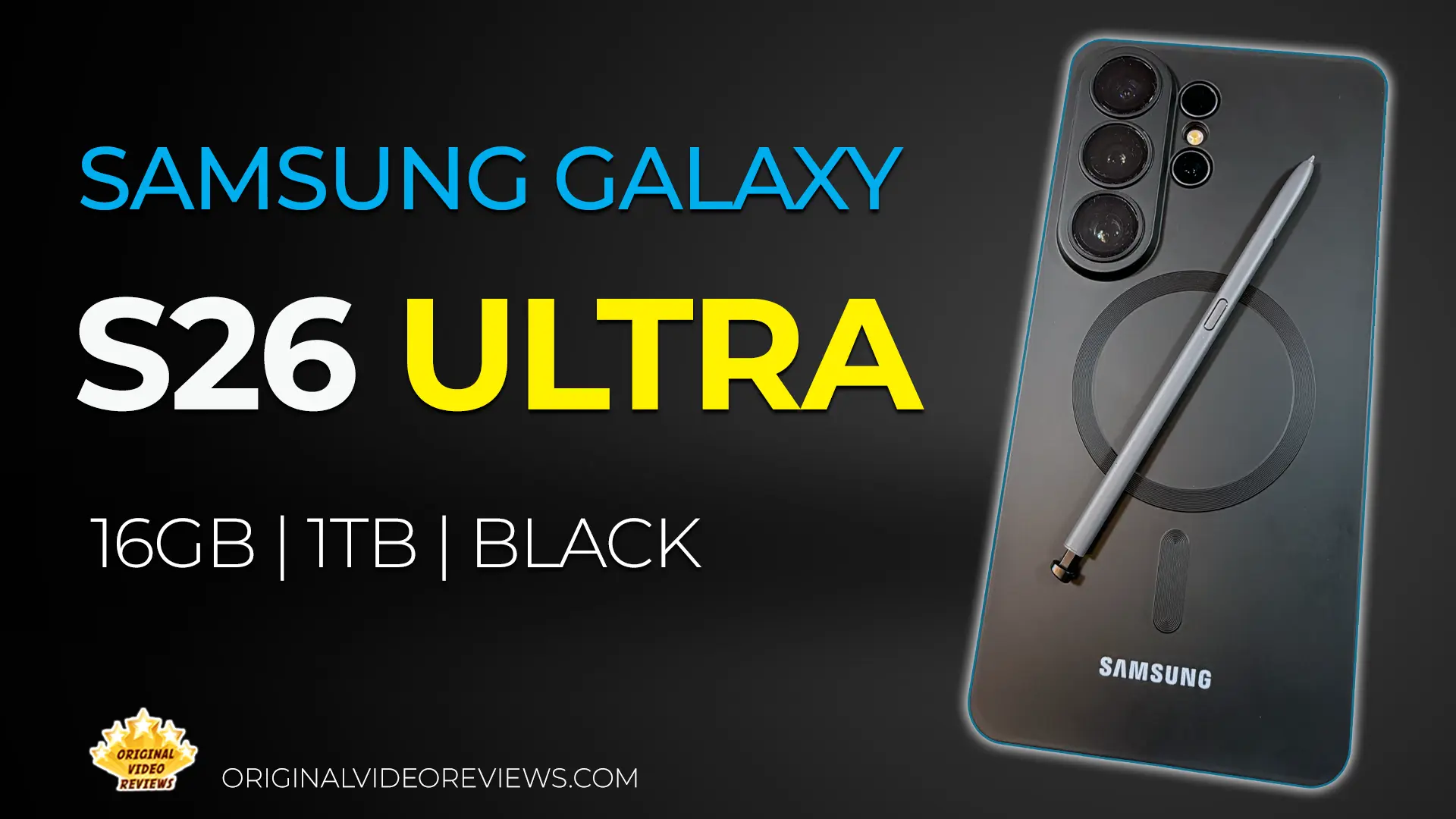
Samsung Galaxy S26 Ultra Flagship Smartphone (1TB | 16GB RAM, Black Edition)

Overview
For years, I have consistently relied on the Galaxy S series, always purchasing the highest-tier version available to leverage the larger display and the integrated S-Pen functionality. Now, I have officially upgraded my primary smartphone setup to the Samsung Galaxy S26 Ultra, specifically opting for the massive 1TB storage tier. This device serves as my central daily driver, handling everything from standard daily routines to heavy work tasks and travel.
My main phone for the past two years was the Galaxy S24 Ultra (512GB). Therefore, a core focus of this review is to determine whether this generational jump offers meaningful, tangible differences, and if the expensive upgrade is genuinely justified for long-term users. Furthermore, to provide a broader perspective on the current lineup, I also purchased the base Galaxy S26 (256GB). Testing it alongside the flagship will give us a clear indication of whether consistently choosing the top-tier, high-capacity Ultra model remains a practical necessity or an over-specced luxury.
Alongside the smartphones, I pre-ordered two different protective cases for the Ultra. This review will include a quick look at both options, showing how they fit, how they affect overall pocketability, and ultimately revealing which one I selected to protect this flagship device for the long haul.
Product details
- Manufacturer
- Samsung
- Model Name
- Galaxy S26 Ultra
- Tested Unit
- 1TB / 16GB / Black
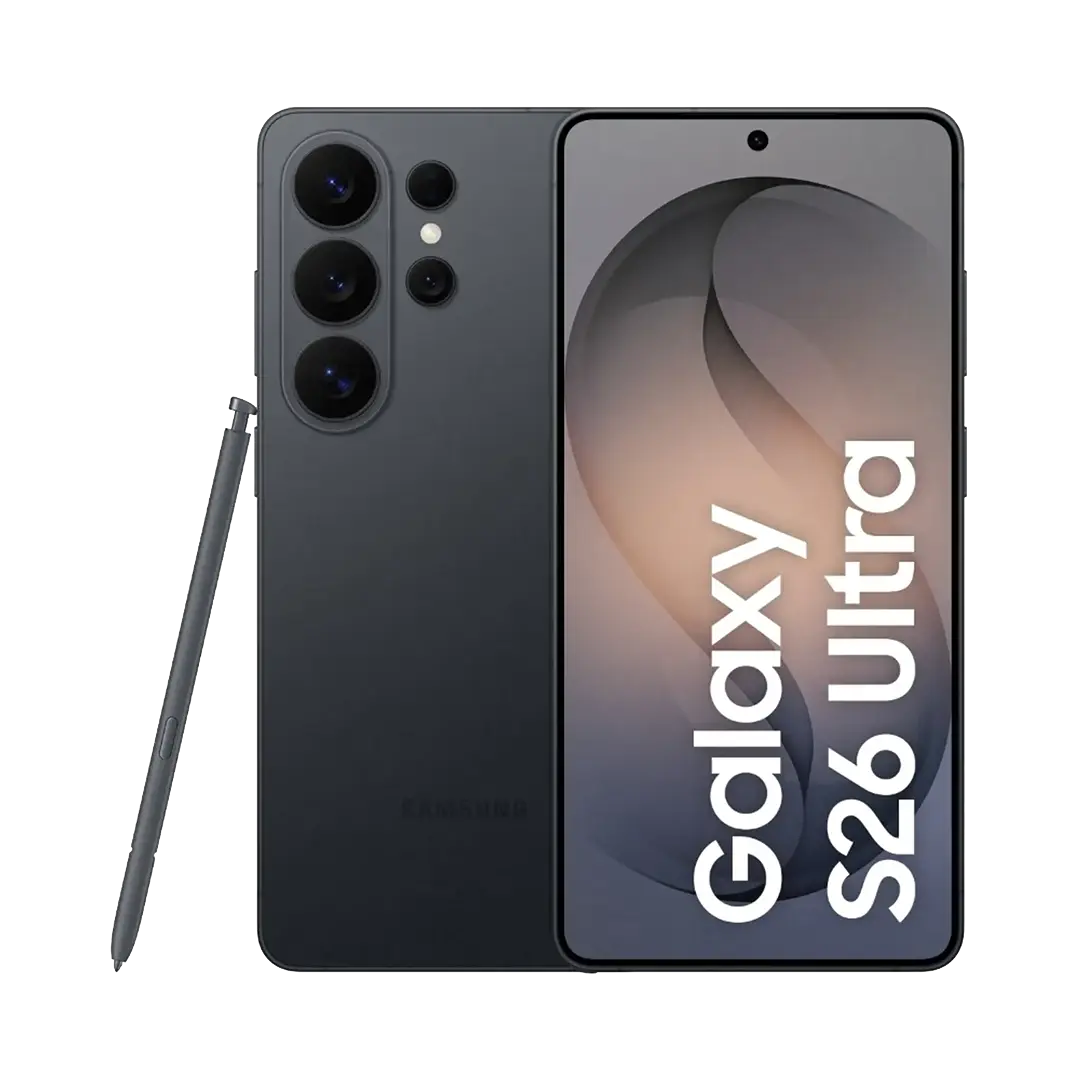
The Samsung Galaxy S26 series officially launched in February 2026, introducing three new models to the market: the standard Galaxy S26, the S26+, and the flagship Galaxy S26 Ultra. As expected, the Ultra is the only model in this lineup that offers a larger footprint and includes the built-in S-Pen.
On the outside, the Ultra features a fully flat 6.9-inch display, moving completely away from the curved glass we've seen in older generations. It is built with a durable Titanium frame and protected by Corning Gorilla Glass on both the front and back. The device is relatively slim at 7.9mm thick and weighs in at 214 grams, which feels solid but manageable for its size.
Under the hood, the phone is powered by a custom AI-optimized Processor. Depending on your region, this chip might vary between a Snapdragon or Exynos variant (we will cover the exact chipset details in the specifications block below). The specific unit I am testing is paired with 16GB of RAM and a massive 1TB of internal storage. This hardware combination is designed to handle heavy multitasking and store large 4K video files without constantly relying on cloud backups.
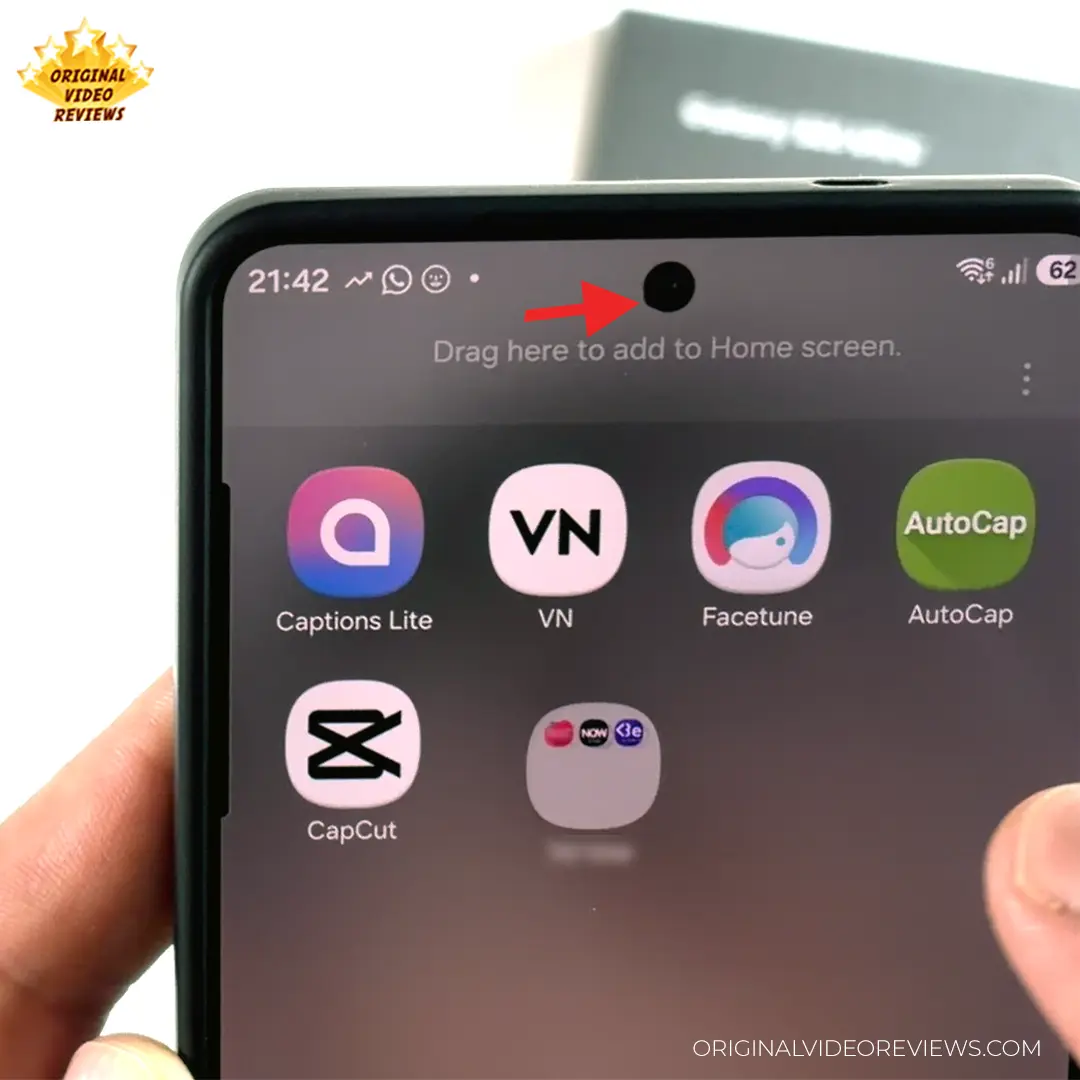
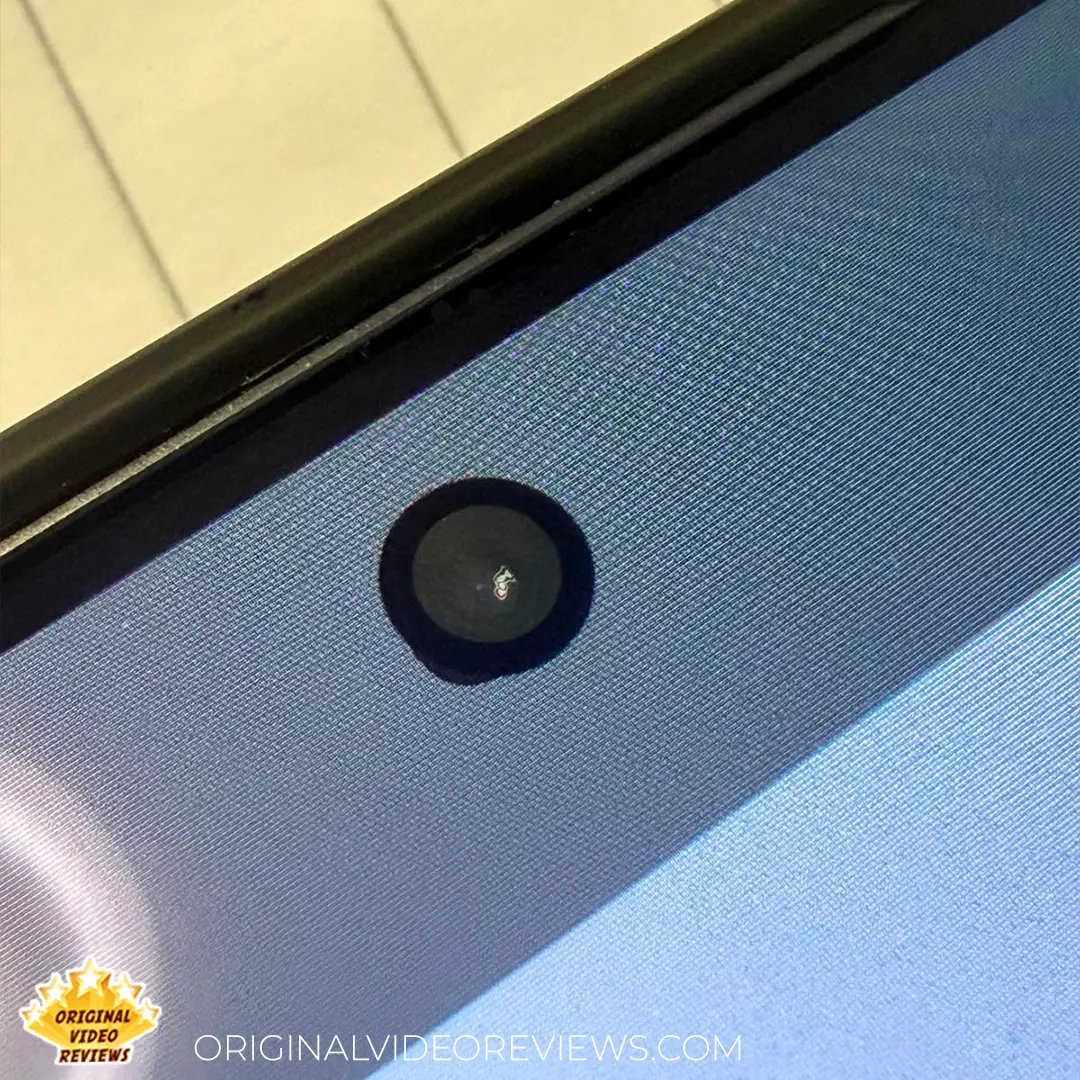
The rear camera setup is built around a huge 200MP main sensor featuring a wider f/1.4 aperture, which helps significantly with letting more light in during low-light photography. It works alongside a 50MP optical telephoto lens (f/2.9) for reaching distant subjects. For selfies, the front-facing camera now uses a dedicated AI Image Signal Processor (ISP) to keep skin tones and shadows looking natural.
Samsung also introduced some very practical features this year. There is a hardware-level Privacy Display that allows you to quickly dim your screen's side-viewing angles, keeping your information safe from curious eyes. For content creators, the physical Camera Stabilization works with the software to reduce shaky footage, while the new Galaxy AI suite offers tools like Photo Assist for quick, prompt-based image editing.
To keep everything running, the device is equipped with a large 5000mAh internal battery. Samsung claims it can provide up to 31 hours of video playback, a bold promise from the manufacturer that we will definitely be putting to the test in real-world conditions. When it is time to recharge, the phone supports wired Fast Charging, which is rated to get you back up to 75% in about 30 minutes, alongside support for Fast Wireless Charging for added convenience.
Specifications
Display
| Screen Size | 6.9" |
| Panel Type | Dynamic AMOLED 2X, Flat Screen |
| Refresh Rate | 120Hz Adaptive |
| Privacy Feature | Hardware Privacy Display Mode |
Design & Build
| Dimensions | Thickness: 7.9 mm |
| Weight | 214 g |
| Materials | Titanium Frame, Corning Gorilla Glass Armor |
| Water & Dust Resistance | IP68 Rating |
Performance & Storage
| Processor | Qualcomm Snapdragon 8 Elite for Galaxy (NPU enhanced) |
| RAM (Tested Unit) | 16GB |
| Storage (Tested Unit) | 1TB |
| Expandable Storage | Not Supported (No MicroSD slot) |
| Other Options | 256GB (12GB RAM), 512GB (12GB RAM) |
Camera System
| Rear Cameras | |
| Main Camera | 200 MP, f/1.4 aperture, OIS |
| Ultrawide Camera | High Resolution Ultrawide |
| Telephoto 1 | 50 MP, f/2.9 aperture, 5x Optical Zoom |
| Telephoto 2 | 3x Optical Zoom Lens |
| Max Zoom | 100x AI Space Zoom |
| Front Camera | |
| Selfie Camera | 12 MP, f/2.2 aperture, Dual Pixel Auto Focus |
| Video Capabilities | |
| Video Recording | Up to 8K capture, 4K at high framerates, Super Steady |
Connectivity
| Network | 5G Supported |
| SIM Support | Dual Nano-SIM + Dual eSIM (Max 2 active) |
| Wi-Fi | Wi-Fi 7 Ready |
| Bluetooth | Version 5.4 |
| NFC | Yes |
| Port | USB Type-C 3.2 |
Battery & Charging
| Battery Capacity | 5000mAh |
| Video Playback | Up to 31 hours (Manufacturer claim) |
| Wired Charging | Fast Charging (Up to 75% in 30 minutes) |
| Wireless Charging | Fast Wireless Charging Supported |
Key Features
| Stylus | Integrated S-Pen |
| AI Capabilities | Galaxy AI suite (Partial list: Photo Assist, Live Translate, Circle to Search) |
| Biometrics | In-Display Ultrasonic Fingerprint Sensor |
Pros
Refined Design Language The updated rounded corners and unified rear camera cutout provide a much cleaner and more cohesive aesthetic compared to previous generations.
Privacy Display Mode A genuinely useful hardware integration that effectively limits side viewing angles, adding practical security in public spaces.
Built-in Stabilization The dedicated optical stabilization feature is an excellent addition, noticeably smoothing out handheld video recording.
Promising Initial Performance Early testing shows a noticeable improvement in responsiveness and speed over the previous model, though full limits are still being tested.
Cons
Premium Price Tag This is a very expensive device right out of the gate. Given the high cost, it can be hard to justify for users who don't need the specific professional features this model offers.
Software Longevity New features often trickle down to older models within months. While this is great for current owners, it reduces the need to upgrade for software features alone.
S-Pen Accessibility Due to the corner design, the S-Pen is difficult to grip from the inner side, especially when using a protective case. You are limited to extracting it from one specific outer angle.
Overall Verdict
Please note: This review is currently ongoing as I continue to put the device through its paces. I will be updating this post with long term findings over time.
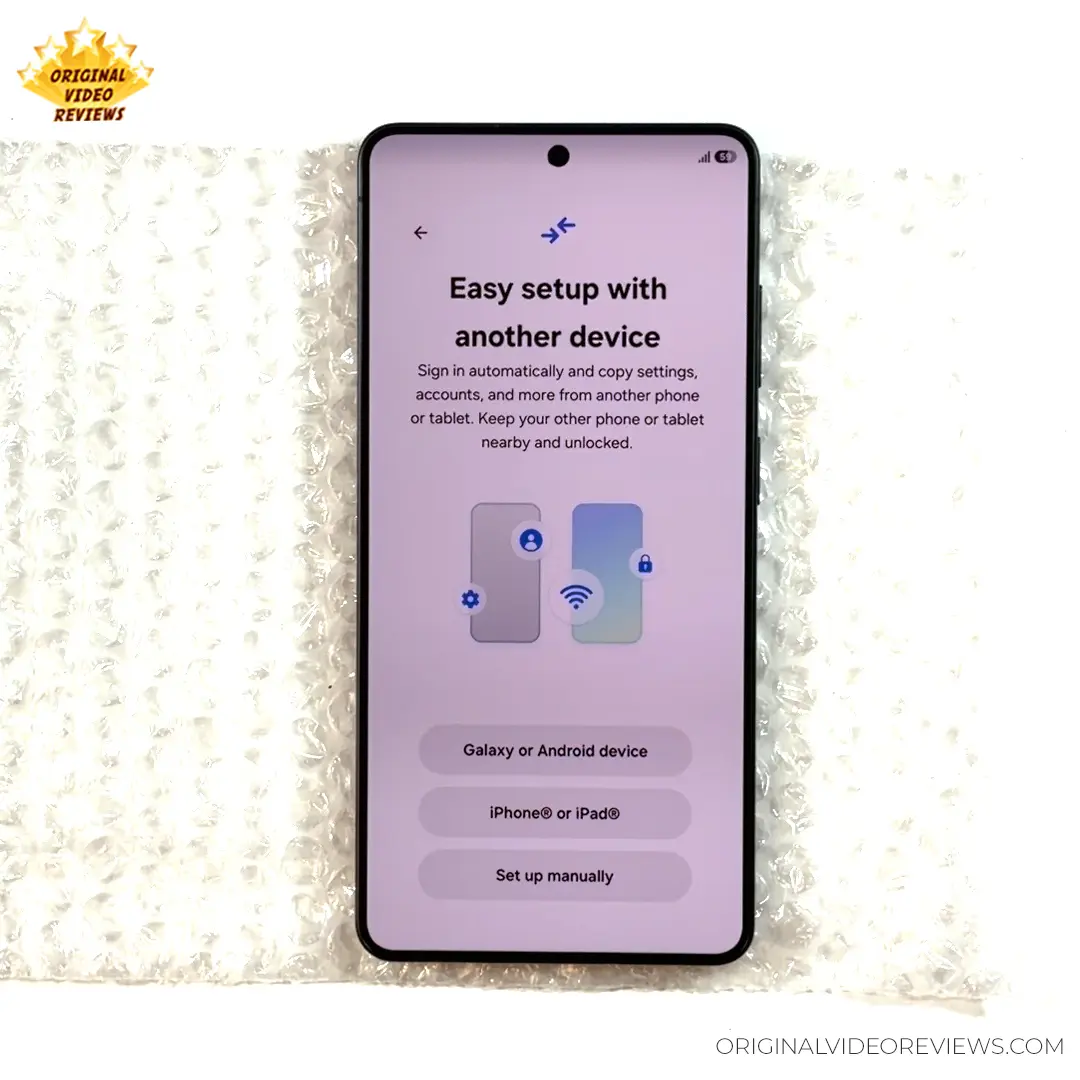
Right now, the device feels incredibly solid and responsive in daily execution. Features like the hardware-level Privacy Display and the physical camera stabilization are genuinely impressive additions, proving they are far more than just marketing hype. The Galaxy AI suite also feels much more mature now, translating into functional, everyday tools from the moment setup was complete. However, these software updates eventually trickle down to older generations, just as my S24 Ultra received them within three months, which slightly diminishes the immediate urgency to upgrade for the software features alone.
When it comes to performance, the camera system is truly in a league of its own, delivering remarkable low-light clarity and zoom tracking that cheaper phones cannot match. The integrated S-Pen remains a standout feature that I personally find highly productive for navigation and daily tasks, even though it faces recurring criticisms regarding the actual necessity or reliability of its Bluetooth air gestures.
Having both the Ultra and the base S26 on hand really emphasizes that the S series as a whole is a premium luxury. For basic everyday tasks, most users would be perfectly satisfied with the budget-friendly Galaxy A series, a lineup I have reviewed extensively. If you want a fast, high-end device with an excellent camera but prefer a lightweight footprint, the standard Galaxy S26 is easily the most logical and practical choice for the average person.
If your smartphone is not a primary professional tool, save your money and get the standard Galaxy S26. However, if you need a high-performance workstation in your pocket and refuse to compromise on hardware, especially if you shoot a lot of high-resolution video and run multiple heavy apps simultaneously, the S26 Ultra is the natural choice. That is the only question you need to ask yourself: if it is a critical work tool, buy it without hesitation.