Wrestling Shoes for BJJ
Model: GINGPAI SDG 2S Black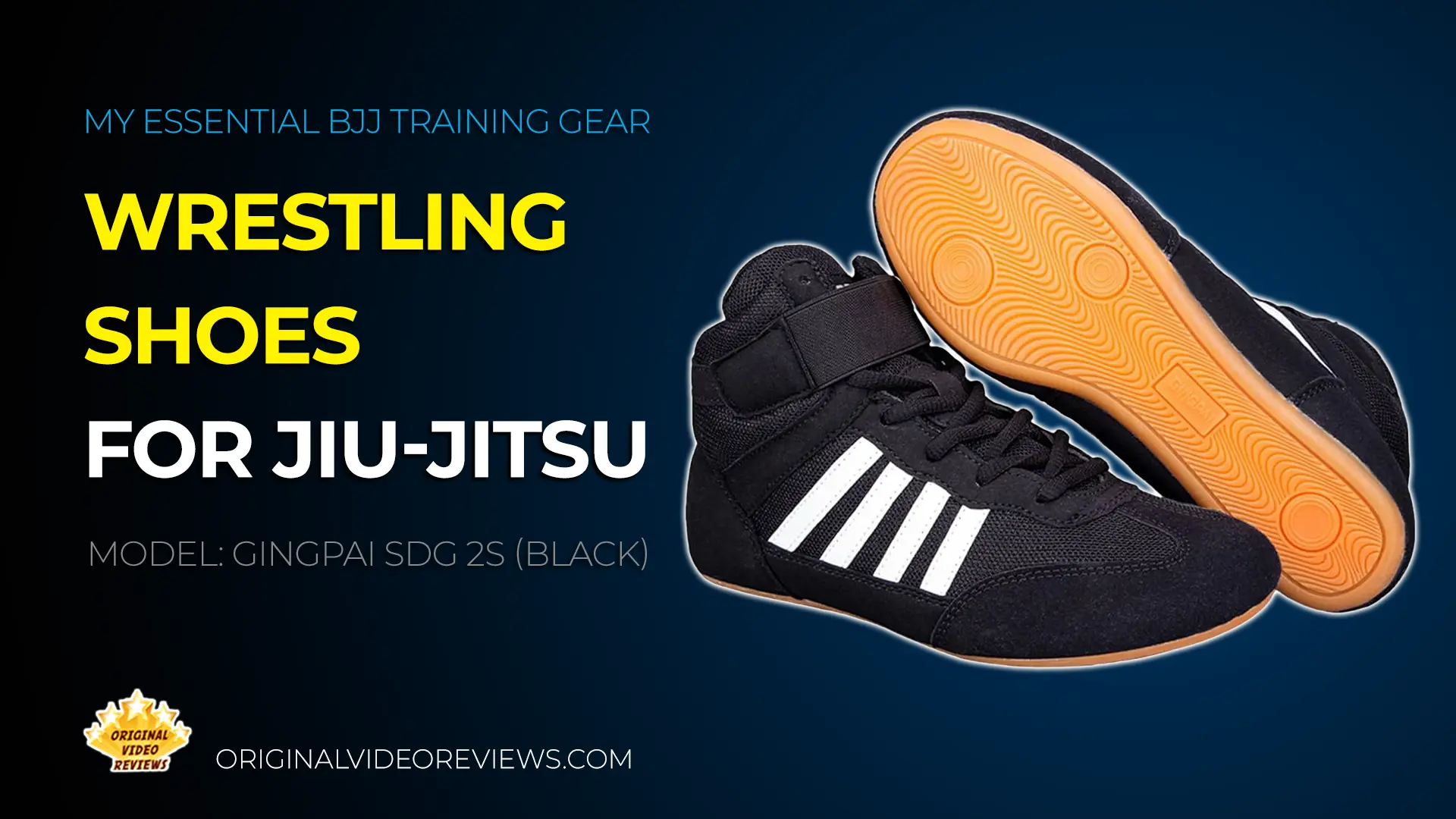
Overview
Following a foot injury, I had to undergo a surgical procedure that left my big toe incredibly sensitive. In a high-impact sport like Brazilian Jiu-Jitsu, this sensitivity presents a real challenge; any friction against the mat, accidental bending of the toe, or putting heavy weight on the foot during movements like a sprawl causes significant discomfort. With the area being highly vulnerable when bare, it became clear that I needed dedicated protection to safeguard my foot and toes.
As a rule, I generally prefer not to discuss my personal medical situations or history. However, I am making an exception here to share my hands-on experience in the hope of helping others who might be searching for the exact kind of practical information that I struggled to find anywhere online when I desperately needed it.
My goal was straightforward: protect the area, maximize my recovery, and continue training regularly while managing these limitations. Crucially, I also needed to prevent my injured foot from becoming an easy target or a weak spot for partners who might not be responsible, cautious, or aware of my situation. I communicated openly with my professor throughout the entire process - before, during, and after the surgery. He showed complete understanding, which meant a lot to me personally and gave me immense motivation to return to full activity.
While my professor supported the idea, he didn't have a specific product recommendation, which launched me into a deep research phase to figure out what to buy. At that point, I didn't know anyone who trained BJJ in shoes, and everyone I spoke with lacked any real advice. As I dug deeper into foot injuries and mat footwear, I realized that wrestling shoes were the right direction. Where I live, wrestling gear is not very common, though I’ve had the privilege of working with Olympic-level wrestlers in the past and have immense respect for their skills - I only wish I had their knowledge and experience at a younger age.
Looking abroad, I found a massive variety of models. There were established, proven brands like Nike, Adidas, and ASICS, alongside a flood of generic Chinese options that looked practically identical. The designs varied wildly: laces only, laces combined with a Velcro strap, glued soles versus stitched soles, high-tops, low-tops, varying levels of elasticity, and materials ranging from breathable mesh to synthetic leather (PU). I read through countless reviews and actively searched for actual user photos, as most listings relied heavily on perfect product renders that offered zero indication of how the shoes perform over time.
Since this was the first pair of wrestling shoes I had ever ordered, I faced a dilemma. On one hand, I wanted a known brand, but on the other hand, I didn't want to get the online sizing wrong and end up disappointed after waiting specifically for the delivery only to find out they didn't fit. Usually, my product reviews are guided by the principle that most people don't always need the most expensive option, as high cost doesn't automatically equal better quality. Yet, when it came to protecting my feet, I hesitated to go cheap. During my research, I came across an insightful comment from someone stating that there isn't a massive, functional difference between high-end and budget wrestling shoes.
Based on that, I decided to take a chance on the GINGPAI wrestling shoes (which appear under various generic names across different stores). Their price point was incredibly attractive, the design looked solid and understated, and the feedback was generally positive. To avoid any potential sizing disappointment with an online order, the budget-friendly price allowed me to simply order two different sizes at once to ensure a proper fit. The shoes arrived relatively fast, and based on 8 to 9 months of training in them twice a week, I have gathered everything you need to know about how they actually perform in the real world.
Product details
- Brand
- GINGPAI
- Model
- SDG 2S
- Color
- Black
The GINGPAI SDG 2S are specialized training shoes designed for combat sports, including boxing and wrestling. They are constructed using a combination of PU (synthetic leather) and polyester materials, featuring a mesh design for breathability.
The shoes feature a lace-up closure system for secure fitting and are constructed with a rubber outsole. This design provides stability and traction on the mat during training sessions.
These shoes are available in a range of sizes from 31 to 45 (Unisex). The provided size chart should be consulted carefully before purchase, as the fit may vary, with a recommendation to opt for a larger size for users with wide or particularly long feet.
Specifications
Design & Construction
| Physical Attributes | |
| Brand | GINGPAI |
| Model | SDG 2S |
| Upper Material | PU / Polyester |
| Outsole | Rubber |
| Closure System | Lace-up |
Usage & Sizing
| Fit & Application | |
| Athletic Type | Wrestling / Boxing |
| Gender | Unisex |
| Colors | Red, White, Blue, Black, Pink |
| Size Range | 31–45 (EUR)True to size (Size up for wide feet) |
Pros
Budget-Friendly Priced well under $30, these offer excellent value for anyone needing specialized footwear without a high entry cost.
Understated Design Especially in the black colorway, the aesthetic is clean and minimal, avoiding the overly flashy look common in many sports shoes.
High Comfort on the Mat Extremely lightweight and stable. During training, I barely notice I'm wearing them, and they provide reliable grip without slipping.
Effective Toe Protection They provide significant cover and protection for the toes, which has been the primary reason I’ve incorporated them into my BJJ training.
Cons
Sole Attachment After roughly 6 months, the glued soles began detaching slightly from the upper. A stitched reinforcement would have been a much better solution for long-term durability.
Velcro Longevity The Velcro strap used to secure the laces has become loose over time, requiring frequent checks and re-adjustments to keep the fit secure during training.
Lack of Convenience The time-consuming lacing process is frustrating if you need to quickly join an ongoing session or step off the mat for a brief moment.
Overall Verdict
I am publishing this comprehensive review after a solid 9 months of regular, continuous use. Because I was unsure about online sizing, I originally ordered two pairs in different sizes. The larger of the two fit comfortably right out of the box, so I immediately laced them up and began training without a second thought. They arrived in a standard shoe box, and the moment I handled them, the materials and initial on-foot feel exceeded my expectations for a budget combat shoe. It took exactly five minutes into my first training session to get completely used to them; since then, they have become a seamless part of my routine to the point where I don't give a single thought to having shoes on my feet during rolls.
In terms of core performance, these shoes did exactly what I bought them to do: they protected my feet and toes flawlessly. Returning from a surgical procedure and rolling with a physical limitation is a permanent reality I have to manage, but the difference between training with these shoes versus barefoot is night and day. Today, I consider footwear a mandatory training accessory that fundamentally impacts the quality of my sessions across warmups, drilling, and especially sparring. Of course, if I ever find myself in a real-world self-defense situation where I have to rely on BJJ, that would be a completely different story.
From day one, it was clear that the glued, stitchless sole construction would eventually present a weak point under intense mat conditions. Right around the 6-month mark, I noticed the glue losing strength, creating slight gaps where the sole meets the upper. While they haven't completely detached yet, the wear is ongoing. You could technically reglue them or find a local cobbler for a cheap fix, but given the low cost of the shoe, it is arguably easier to just order a brand-new pair. Additionally, the Velcro strap has steadily lost some of its grip and requires re-adjusting at least once per session. I have also noticed a slight decline in mat traction over time, which serves as a good benchmark for assessing the general lifespan of wrestling footwear.
It is worth noting that these shoes arrive without a padded inner insole. While I initially considered buying a separate insert, I never actually got around to it, and the bare interior didn't turn out to be a critical issue for me. I might test an insole with this pair or future footwear down the line to see if it alters my perspective. While these durability flaws are a bit disappointing, these are purely utility-first shoes, not a fashion statement. My subsequent research into alternative options revealed that even high-end, premium brand models frequently face similar degradation issues after roughly 6 months. In general, wrestling shoes seem to offer a realistic lifespan of 6 to 12 months under regular training, with exact longevity depending on training frequency, intensity, and material quality.
A lightweight, highly elastic wrestling shoe that delivers excellent toe protection and high comfort on the mat for BJJ training. Priced well under $30, it is unnoticeable during rolling and offers fantastic value, though the time-consuming lacing process and stitchless, glued construction mean a limited lifespan. For the average hobbyist training a couple of times a week, it will reliably get the job done for 6 to 12 months before requiring a replacement.
Where to buy
Below is the link to purchase the GINGPAI SDG 2S Wrestling Shoes for BJJ:
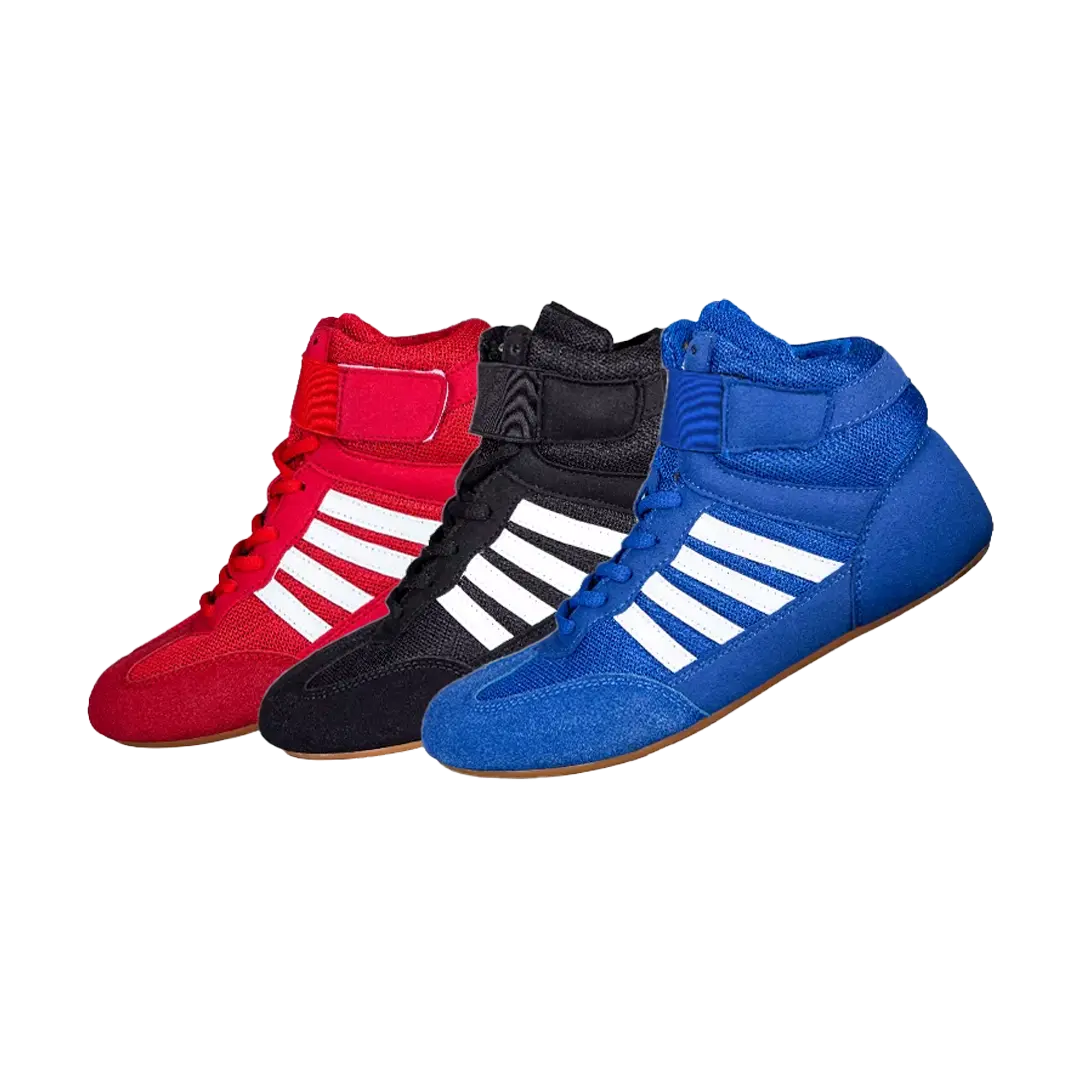
Photos
FAQ
Why choose to train BJJ with wrestling shoes instead of going barefoot?
Can these shoes be worn outside of wrestling or BJJ training?
Do you need permission from your professor to wear shoes in BJJ?
How do training partners and opponents react to you wearing shoes on the mat?
What is the expected lifespan of these wrestling shoes under regular training?
Got questions about the GINGPAI SDG 2S Wrestling Shoes?
Already purchased the GINGPAI SDG 2S Wrestling Shoes yourself?
More Shoes Worth Checking Out

OVR Shoes Reviews
Discover my complete collection of shoe reviews, tested for comfort, durability, and everyday performance.
Browse More ReviewsSubscribe OVR channels
Choose the channels you like and subscribe on YouTube.
Disclaimer
This post contains affiliate links.
Please check out my disclosure policy for more details.
Thank you for your support & understanding!
Comments